
Scientific Sighting Report: Point Erin Pools Mermaid aggregation
Date: 8th March, 2025
Location: Erin Point Pools, Auckland, New Zealand
Observer: Professor C. Weedy, Merologist
Journal Entry – Date 8 March 2025
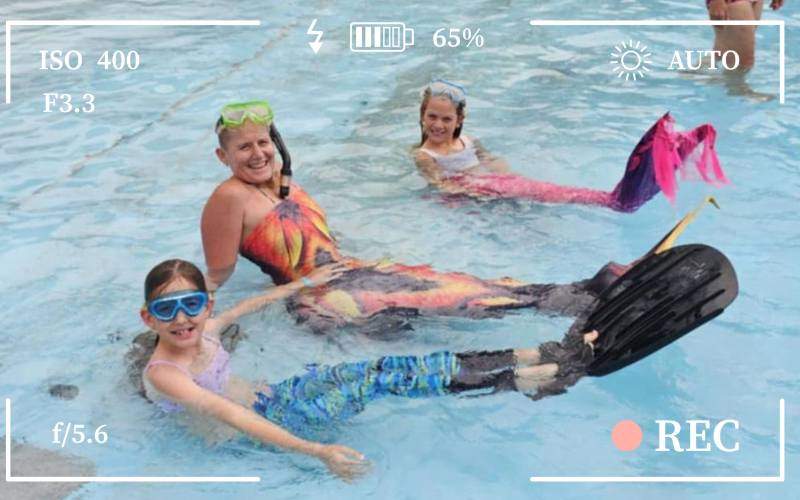
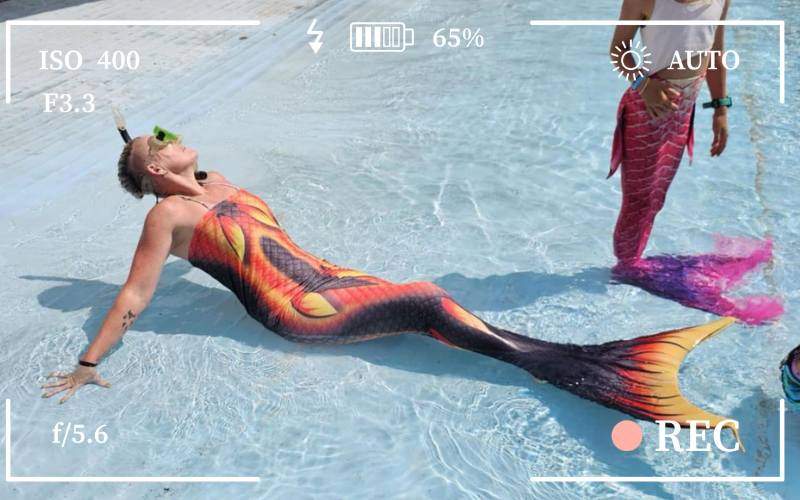
It is with great scientific enthusiasm that I document a most extraordinary event in the annals of merology—an historic sighting of the largest recorded aggregation of mermaids within New Zealand waters. The event in question transpired at dawn upon the serene waters of Point Erin Pools, Auckland, and shall remain, I am convinced, one of the most remarkable occurrences in my career.
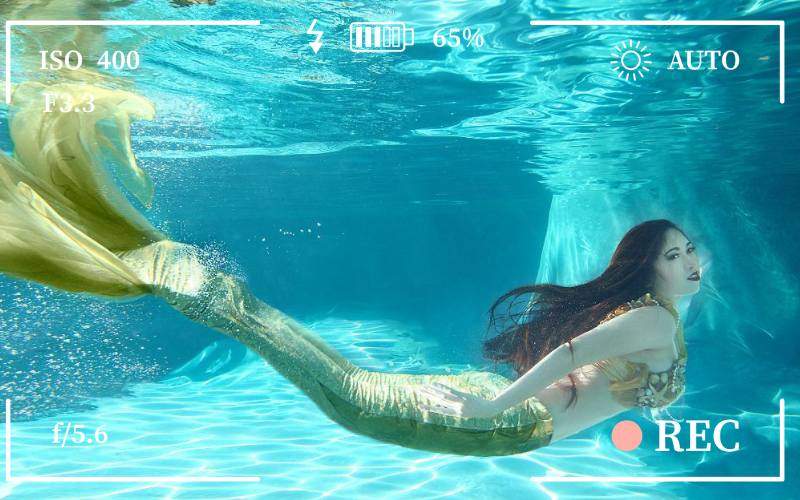
On the morning of the sighting, the pools lay shrouded in a gentle mist, the first golden light of day casting a spectral glow upon the water’s surface. It was then that I beheld them—a pod of mermaids, numbering no fewer than ten, consisting of both adults and their youthful progeny. Their arrival was neither furtive nor timid, as is so often the case with these elusive beings. Rather, they moved with purpose, gliding into the pools with the effortless grace for which their kind is so renowned.
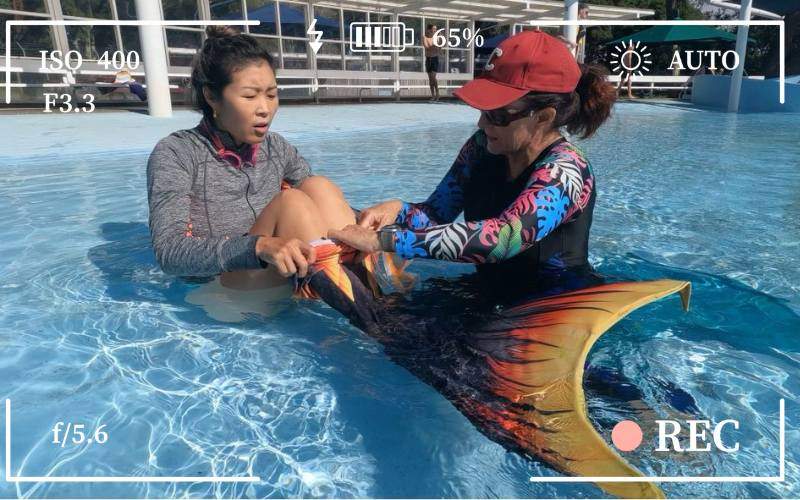
For the next several hours, I observed the mermaids at their leisure, engaged in what could only be described as a communal exercise of both recreation and skill refinement. Their fluid movements through the water demonstrated a mastery of hydrodynamic locomotion, their famed dolphin kick executed with unparalleled efficiency. Yet, most astonishing of all was their unprecedented interaction with human bathers present at the pools that morning.
In what can only be described as an overt gesture of amicability, the mermaids actively engaged with their human counterparts, inviting them—through both gesture and mimicry—to partake in their aquatic revelries. Those willing to participate were encouraged to replicate the mermaids’ distinctive swimming techniques, a phenomenon that, to my knowledge, has never before been so openly encouraged by these reclusive denizens of the deep.
The nature of mermaid-human relations has long been fraught with tension, owing in no small part to the mermaids’ longstanding grievances against humanity’s deleterious impact on marine ecosystems. Their condemnation of industrial-scale trawling, longlining, and the rampant pollution of the seas has been well-documented, and in many cases, their encounters with humans have been marked by open hostility. Thus, the willingness of this pod to engage so freely with humans raises profound questions regarding their intent.
Over the course of my observations, I noted that much of the discourse emanating from the mermaids revolved around themes of oceanic preservation and ecological stewardship. The mermaids spoke, in their own lyrical and haunting manner, of the vital importance of a healthy ocean and the crucial role humanity must play in its protection. This leads me to a significant hypothesis—could this unprecedented event have been orchestrated with the deliberate intent of identifying conservation-minded individuals sympathetic to their cause? If so, it suggests a remarkable shift in mermaid strategy, from passive lamentation to active alliance-building.
That this sighting represents a turning point in mermaid-human relations is a speculation I dare not discount. If mermaids now seek human allies in the fight to safeguard the oceans, it is imperative that we, as stewards of this planet, heed their call. I urge all who read this account to reflect upon our shared duty to the marine world, for it is only through mutual respect and dedicated conservation efforts that we may yet earn the continued goodwill of these most enigmatic beings.
As ever, I remain steadfast in my commitment to the pursuit of merological truth, and I shall continue to document these encounters with the rigor and diligence that this field so rightly demands.
Signed,
Professor Clayborn Weedy
Merologist, New Zealand Academy of Aquatic Mysteries